
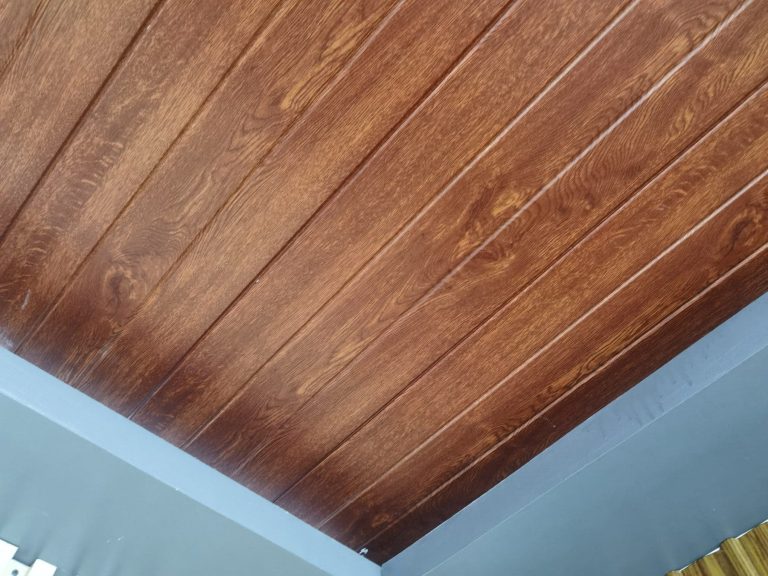
Many builders seek a ceiling option that remains strong, neat, and easy to maintain. Therefore, a PVC ceiling panel fits these needs and brings fresh style to many spaces. People often compare it with old ceiling systems like gypsum, wood, or metal to see which works best. This blog clears up the confusion. It explains how each system works, how they behave in real spaces, and why one may suit certain uses more than another. Let’s walk you through the key facts in an easy way so that you can make a difference. You gain clear guidance that helps you pick the right ceiling for your building project.
A PVC ceiling panel uses strong polyvinyl chloride that builders shape into smooth, light boards. These boards lock together and form a neat ceiling surface. Workers move them with ease because the material weighs less than most other ceiling parts. Manufacturers craft them in many colours and patterns, so they match simple or complex designs. The material resists water and mould, so the ceiling stays clean for long periods. Many builders trust this option for kitchens, cleanrooms, and wash areas. This ceiling panel keeps its shape in humid air and solves problems that old ceiling types cannot handle.
Manufacturers craft the panels with hollow sections inside that shrink the weight. Workers raise them with little effort and finish the job at great speed. This light build reduces strain on the roof structure and keeps the project smooth. The ceiling keeps its strong form while still feeling simple to manage during setup.
The material blocks water and stops damp spots from forming on the surface. This shield prevents mould growth and keeps rooms clean and fresh. The ceiling keeps its strong form even in wash zones or kitchens. The surface holds steady and does not swell or crack from steam.
The panels create a clean, straight look across the ceiling. The joints hide well, so the whole space gains a neat style. Builders pick from many colours that suit bright or soft interiors. The finish stays smooth for long periods without flaking or peeling.
The surface wipes clean with a quick sweep, so dirt and marks vanish with little effort. There is no need for repainting or sanding. The ceiling stays bright, which saves time and money. This low-care need helps busy places where workers lack time to fix or refresh ceilings.
A PVC ceiling panel helps cleanrooms maintain strict hygiene rules. The smooth surface traps little dust and supports easy cleaning. Workers remove marks or stains fast. The panel does not hold moisture, so germs struggle to grow. This strong hygiene control keeps spaces safe for sensitive work.
The panels help cleanrooms keep indoor conditions steady. The material blocks heat transfer and prevents sudden swings. This stable temperature supports machines that need controlled surroundings. Workers trust the panels to keep the environment calm and safe for specialised tasks.
Cleanrooms require quick setup. These panels click into place and speed up the build. Workers lift them with ease and complete more work within a short time. This fast build helps new labs or health spaces open sooner and start their important tasks.
Cleanrooms run daily, so ceiling parts must endure constant stress. These panels resist wear and keep their shape for long periods. They do not react with chemicals commonly used in labs. The long lifespan reduces repair needs and helps the space stay safe and steady.
Hospitals and clinics use these panels in patient rooms, labs, and treatment areas. The smooth
surface keeps germs from hiding. Staff clean them fast to maintain safe surroundings. The panels stay strong even with constant cleaning.
Kitchens, food packs, and cold rooms trust these ceilings because they resist heat and moisture. Workers wash them with ease to keep the space tidy. The panels block mould and keep the air clean. Food zones maintain strict hygiene rules with little extra work.
Shops, halls, and offices use the panels to gain a modern style. The light build makes setup fast. The neat look gives customers a clean view. The panels hide wiring and keep the space bright. Daily business runs without ceiling issues.
Many homes use these ceilings in washrooms, basements, and kitchens. The panels resist damp air and stop stains from forming. Families like the simple care steps and long life expectancy. The ceiling stays tidy even in busy rooms.
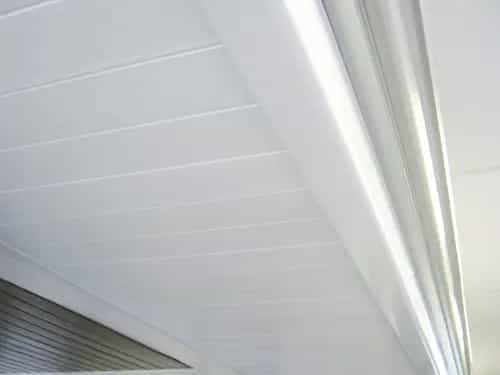
Before choosing any ceiling system, it helps to compare how each option behaves in real use. The points below show clear differences between common ceiling choices and PVC ceiling panel systems. Each material brings certain strengths, yet many people shift to PVC because it solves issues that older systems struggle with.
The comparison between gypsum and PVC reveals that PVC prevents cracks from forming while it also stops water from penetrating the material. The material avoids termite attacks, and it needs no varnish maintenance according to its design. The material provides users with a more comfortable experience than metal because it adopts a warmer design and offers better handling capabilities. The process avoids the need for extended drying periods and requires less physical work than POP does. The following points use basic language to show how these two subjects differ from each other.
Differences
Assesses the strength, finish, and thickness of the panels. Inspect how well the edges lock together. Good panels hold shape and resist bending. The colour stays even across each piece. A strong product ensures your ceiling stays stable and neat through years of use.
Pick a supplier who understands ceiling needs in Malaysia. They guide you with local building rules and help you choose the right thickness, pattern, and style. Suppliers with strong knowledge solve problems and steer you in the right direction.
Choose a team that answers questions fast and helps you plan your ceiling layout. Good support speeds up the project. You gain clear guidance that prevents mistakes during installation. This support keeps your ceiling safe and durable.
Ask about safety tests, fire ratings, and moisture resistance records. A trusted supplier shares documents that prove the material meets quality standards. This step ensures your ceiling stays safe in homes, hospitals, or any project that needs strong reliability.
A PVC ceiling panel brings strength, simple care, and steady performance to many types of spaces. Builders trust it for cleanrooms, food zones, homes, and large commercial buildings because it solves problems that old ceiling systems create. The panels block moisture, stay smooth, and hold colour for long periods. They also install quickly and help projects finish on time. When you choose a supplier, look for strong product quality, clear guidance, and solid safety standards. With the right choice, your ceiling stays neat, durable, and ready for many years of use.