

A clean room based standard sets the rules that guard certain spaces from dust, dirt, and small floating particles. These standards help create rooms where air stays clean, people wear special clothes, and nothing spreads where it shouldn’t. These rooms help factories, labs, and medical companies keep their work safe and accurate.
Clean room standards direct how air should move, what filters to install, and how to build the space. They also help you pick the right materials, lights, and floors. Companies use these rules to prevent contamination, protect products, and support strong, reliable systems. Following these standards allows cleanrooms to work correctly while keeping workers and materials safe.
Cleanroom rules stretch across the globe. Two major systems steer most cleanroom setups: ISO 14644 cleanroom classification and GMP clean room requirements. These groups draw up strict directions for air quality, filter strength, and cleanliness checks.
ISO 14644 checks how many tiny particles float in the air. It measures these particles to help builders design safe rooms. GMP, which stands for Good Manufacturing Practice, sets more rules for the medicine and healthcare spaces. It improves safety, hygiene, and regular cleaning.
Countries and companies across the world rely on these global clean room standards to protect their people, products, and customers.
The ISO 14644 standard classifies cleanrooms from Class 1 to Class 9 according to the maximum allowable concentration of airborne particulates. Therefore, the classification scale is inverse: a lower class number denotes a higher level of air cleanliness.
ISO rules steer builders to choose air filters, set up airflow systems, and arrange ceilings to reduce particles. The rules also help workers wear proper clothing and clean surfaces the right way.
By following this system, builders design cleanrooms that perform their tasks with care and safety.
Cleanrooms demand air that sweeps particles out quickly. Engineers install systems that pull clean air from the ceiling and carry dirty air out through the floor. This method pushes harmful particles out fast.
Cleanrooms rely on special filters called HEPA and ULPA. These filters grab even the smallest bits of dust before they float into the room. Teams inspect and clean filters often to make sure they work well.
Cleanroom walls, floors, and ceilings must handle frequent cleaning. Builders use smooth surfaces that don’t crack, rust, or break down. These materials stop bacteria, dust, and fibres from clinging to them.
Anyone entering a cleanroom wears special clothes that block particles. These include gowns, masks, gloves, and shoe covers. These clothes protect the cleanroom from people’s hair, skin, and breath.
Cleanroom contamination control means reducing the things that cause messes in the air. This includes shoes, tools, packaging, and even pens or notebooks. Every item that goes into the room must meet cleanroom standards.
GMP clean room requirements focus on cleanliness and safety in industries like pharmaceuticals. They call for regular cleaning, careful inspections, and proper storage. These rules also ask teams to keep detailed records and follow the steps exactly.
Together, these cleanroom requirements keep everything neat, safe, and under control.
Before building, teams draw up detailed plans. These plans include where filters go, how air should flow, and what materials to use. These designs must follow the clean room standard closely.
Construction crews install floors, walls, ceilings, filters, and vents with great care. Every piece must match the design to create a room that guards against particles.
After finishing the room, inspectors test it. They count particles, check airflow, and make sure pressure levels match the plan. These tests confirm that the cleanroom performs correctly.
If the cleanroom meets all requirements, it undergoes the cleanroom certification process. This process reviews the test results and gives the room official approval. Certification proves the room meets national or global standards.
Cleanrooms need frequent inspections. Most rooms go through testing every 6 to 12 months. If anything goes wrong, teams repair or replace parts and test again. By sticking to the cleanroom certification process, companies protect products, workers, and their reputations.
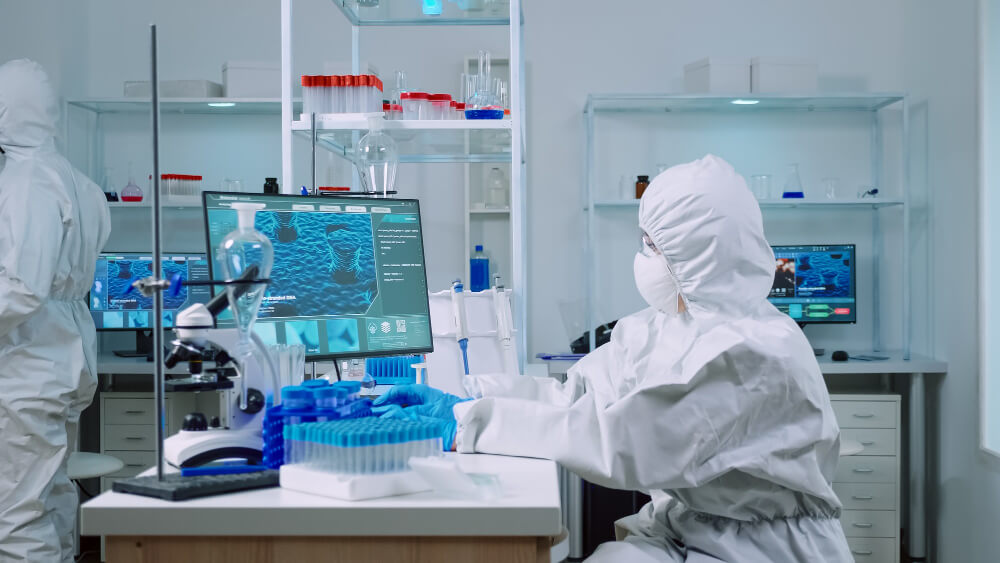
Medicine factories count on strict cleanroom rules. GMP clean room requirements help companies avoid mistakes and create safe medicines. These rooms must handle sensitive materials, so the air, floors, and equipment must all stay clean. Following the clean room standard keeps medicine safe and effective.
Small computer parts and chips can break if dust exists on them. Cleanrooms protect these parts from particles. Workers wear clean suits and follow exact steps. Cleanrooms in this field often meet ISO 14644 cleanroom classification rules to ensure product quality and safety.
Biotech labs grow cells and test medical materials. These delicate tasks need a clean space. Filters, sealed walls, and controlled air all help the work stay safe. Without cleanrooms, experiments may not work as planned. Cleanroom contamination control keeps both people and projects safe.
Some food companies build cleanrooms to handle food safely. These rooms block germs, dust, and harmful particles from landing on food. Cleanroom rules help the food stay fresh and safe to eat. Companies that use these rooms show that they value quality and safety.
The clean room standard is a guide on how to build and manage the most clean rooms. These rooms offer the most protection to sensitive tools, materials, and people in the medicine, electronics, biotechnology, and food industries. By using the ISO 14644 cleanroom specifications, the GMP clean room requirements, and following a thorough cleanroom certification process, an organisation can improve its value, enhance safety, and build trust with its clients. High-quality cleanrooms created, tested, and maintained using smart systems and clean, strong habits will always be rewarded. These standards provide every project with the highest odds of success—free of dirt, dust, and delays.
ISO 7 cleanrooms remove more particles than ISO 8. ISO 7 uses stronger filters and circulates air more often. These rooms support work that needs better protection from dust or germs. ISO 8 still meets cleanroom rules but allows more particles than ISO 7.
Yes. Many hospital areas follow clean room standard rules. Rooms for surgery, testing, or storing medicine uses cleanroom ideas. They include filtered air, special walls, and clothing rules. These steps protect patients and keep rooms clean and safe.
Teams check cleanrooms every 6 to 12 months. They measure air quality, check filters, and test pressure and temperature. If something doesn’t work right, they fix it fast. This regular testing is part of the cleanroom certification process and keeps the cleanroom working as it should.